list of animal models
List of disease models currently posted
Selecting the optimal disease model is essential for the success of preclinical studies. This page organizes highly cited, foundational review articles from various fields, along with the latest reviews (as of April 15, 2026). It covers key points such as selection based on evaluation objectives and consideration of translatability. Please use this as a reference for appropriate model selection and study design.
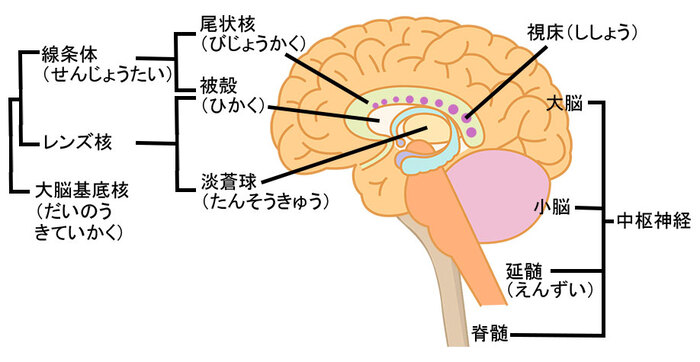
Central nervous system (brain)
Alzheimer's disease
APP/PS1 Tg (B6;C3-Tg(APPswe,PSEN1dE9))
| Target disease/phenotype |
Amyloid plaques, cognitive impairment |
| Major CRO |
|
| Examples of marketed drugs and development candidates |
Anti-Aβ antibodies (aducanumab, lecanemab, etc.) |
Original paper/Published review
icv-STZ
| Target disease/phenotype |
Neuroinflammation |
| Major CRO |
|
| Examples of marketed drugs and development candidates |
- |
Original paper/Published review
Parkinson's disease
alpha-synuclein A53T Tg
| Target disease/phenotype |
Lewy bodies, motor disorder |
| Major CRO |
|
| Examples of marketed drugs and development candidates |
- |
Original paper/Published review
Image source: Neuronal α-Synucleinopathy with Severe Movement Disorder in Mice Expressing A53T Human α-Synuclein
(https://www.cell.com/neuron/fulltext/S0896627302006827)
Dravet syndrome
SCN1A+/-Dravet Model
| Target disease/phenotype |
Epileptic seizures, developmental delay |
| Major CRO |
|
| Examples of marketed drugs and development candidates |
Fenfluramine |
Original paper/Published review
Multiple sclerosis
EAE (Mog-induced)
| Target disease/phenotype |
Demyelinating encephalomyelitis |
| Major CRO |
|
| Examples of marketed drugs and development candidates |
Glatiramer acetate (Copaxone), Rituxan (rituximab) |
Original paper/Published review
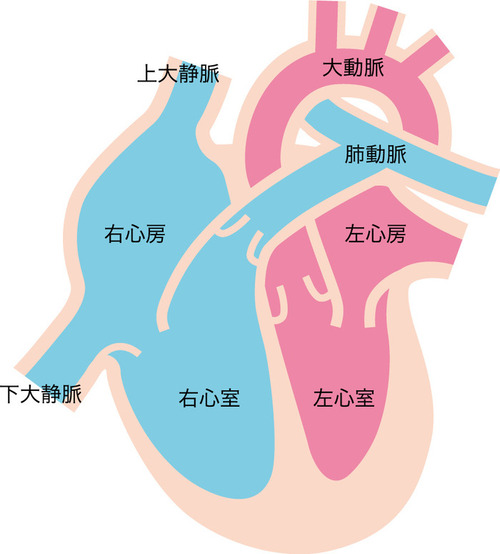
Cardiovascular system
Arteriosclerosis
ApoE−/−DECK
| Target disease/phenotype |
Arteriosclerosis (hyperlipidemia, plaque formation) |
| Major CRO |
|
| Examples of marketed drugs and development candidates |
Ezetimibe, statin |
Original paper/Published review
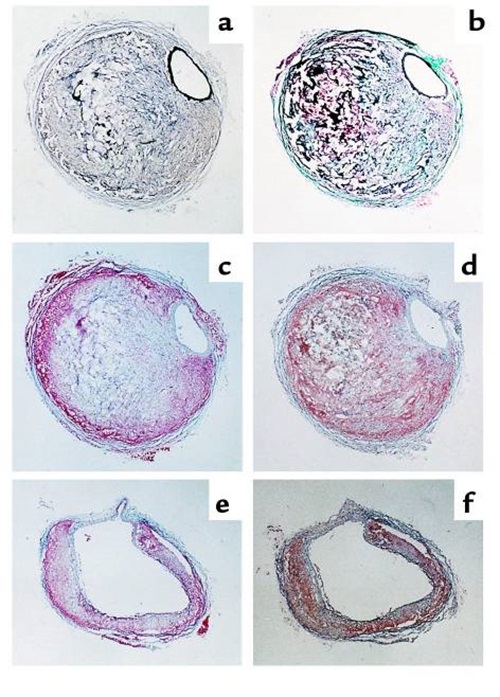
LDLR−/−DECK
| Target disease/phenotype |
Arteriosclerosis (Cholesterol Metabolism Disorder) |
| Major CRO |
|
| Examples of marketed drugs and development candidates |
PCSK9 inhibitors (Evolocumab, Alirocumab) |
Original paper/Published review
Image Source: Massive xanthomatosis and atherosclerosis in cholesterol-fed low-density lipoprotein receptor-negative mice
Journal of Clinical Investigation, 93(5):1885–1893, 1994
(https://pmc.ncbi.nlm.nih.gov/articles/PMC294295/)
High blood pressure
Continuous Angiotensin II Infusion
| Target disease/phenotype |
High blood pressure, cardiac hypertrophy |
| Major CRO |
|
| Examples of marketed drugs and development candidates |
- |
Original paper/Published review
Image source: Angiotensin II promotes atherosclerotic lesions and aneurysms in apolipoprotein E–deficient mice
The impact of chronic inflammation on the pathogenesis of rheumatoid arthritis
Myocardial infarction
Acute myocardial infarction (LAD ligation)
| Target disease/phenotype |
Myocardial infarction, decreased cardiac function |
| Major CRO |
|
| Examples of marketed drugs and development candidates |
SGLT2 inhibitor (dapagliflozin) |
Original paper/Published review
Image source: Experimental myocardial infarction. I. A method of coronary occlusion in small animals
Annals of Surgery, 140(5):675–682, 1954
(https://pmc.ncbi.nlm.nih.gov/articles/PMC1609650/)
Liver
Humanized liver chimeric mouse
| Target disease/phenotype |
Human drug metabolism (CYPs, etc.), drug-induced liver injury (DILI), viral infections (HBV/HCV), metabolic liver diseases (NASH/MASH) |
| Major CRO |
-
|
| Examples of marketed drugs and development candidates | Antiviral drugs (HBV/HCV), MASH therapeutic drugs, nucleic acid drugs (siRNA/mRNA), AAV gene therapy |
Original paper/Published review
- Generation of humanized liver in mice using wet-lab techniques and its applications
- American Journal of Pathology
- Chimeric mice with humanized liver: a unique tool for predicting drug metabolism, toxicity, and safety in humans
- Current Drug Metabolism
- Advances in humanized mouse models for metabolic liver diseases
- (NASH/MASH Model Review)
- Humanized liver models as predictive tools for RNA therapeutic success
- (Review of Nucleic Acid Drugs and Gene Therapy)
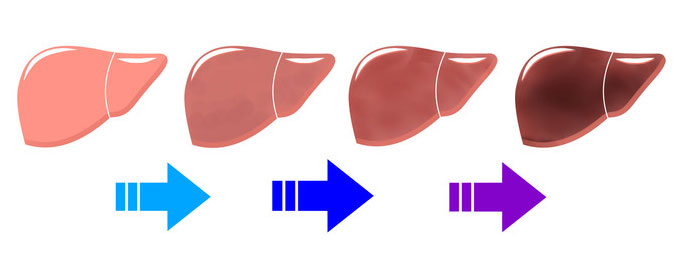
Liver Fibrosis, Liver Cirrhosis
Carbon tetrachloride
| Target disease/phenotype |
Liver fibrosis/cirrhosis |
| Major CRO |
|
| Examples of marketed drugs and development candidates |
- |
Original paper/Published review
WD+CCl4
| Target disease/phenotype |
Liver fibrosis/cirrhosis |
| Major CRO |
|
| Examples of marketed drugs and development candidates |
- |
Original paper/Published review
Image source: Carbon tetrachloride (CCl4) accelerated development of non-alcoholic fatty liver disease (NAFLD)/steatohepatitis (NASH) in MS-NASH mice fed western diet supplemented with fructose (WDF)
(https://pubmed.ncbi.nlm.nih.gov/33059584/)
TAA
| Target disease/phenotype |
Liver fibrosis/cirrhosis |
| Major CRO |
|
| Examples of marketed drugs and development candidates |
- |
Original paper/Published review
Image source: Activation of hepatic stellate cells is associated with cytokine expression in thioacetamide-induced hepatic fibrosis in mice
(https://www.laboratoryinvestigation.org/article/S0023-6837%2822%2901834-7/fulltext)
Metabolic dysfunction-associated fatty liver disease / Metabolic dysfunction-associated steatohepatitis (NASH)
MASH is a disease characterized by the continuous progression of lipid metabolism abnormalities, inflammation, and fibrosis, and is an area difficult to replicate with a single model.
- Classic review
- Latest reviews
In this field, evaluation by combining diet-induced, toxicity-induced, and genetically modified models is considered important.
High-fat diet (HFD)
| Target disease/phenotype |
MAFLD/MASLD (Fatty Liver, Inflammation, Early Fibrosis) |
| Major CRO |
- Charles River
- Taconic Biosciences
|
| Examples of marketed drugs and development candidates |
Orlistat |
Original paper/Published review
CDAHFD food
| Target disease/phenotype |
MASH model (Metabolic dysfunction-Associated Steatohepatitis) |
| Major CRO |
|
| Examples of marketed drugs and development candidates |
Semaglutide |
Original paper/Published review
Image source: An improved mouse model that rapidly develops fibrosis in non-alcoholic steatohepatitis
(https://pmc.ncbi.nlm.nih.gov/articles/PMC3607137/)
STAM (Type 2 Diabetes + MASH)
| Target disease/phenotype |
T2D with MASH |
| Major CRO |
|
| Examples of marketed drugs and development candidates |
Senicriviroc, Pegaparbarmarin |
Original paper/Published review
Biliary and metabolic liver disease
Models and evaluation metrics used differ significantly between acute liver injury and chronic fibrosis.
- Classic review
- Latest reviews
In recent years, the importance of selecting models with translational properties in mind has been emphasized.
Bile duct ligation (BDL)
| Target disease/phenotype |
Cholestatic liver disease (PBC/PSC) |
| Major CRO |
|
| Examples of marketed drugs and development candidates |
Obeticholic acid (OCA) |
Original paper/Published review
Image source: Bile Duct Ligation in Mice: Induction of Inflammatory Liver Injury and Fibrosis by Obstructive Cholestasis
Bile Duct Ligation in Mice as a Model for Inducing Inflammatory Liver Injury and Fibrosis
DDC food / ANIT
※Model showing similar pathological conditions (cholangitis/fibrosis)
| Target disease/phenotype |
Biliary hepatitis/fibrosis |
| Major CRO |
|
| Examples of marketed drugs and development candidates |
- |
Original paper/Published review
Image source: A new xenobiotic-induced mouse model of sclerosing cholangitis and biliary fibrosis
The article to which you linked is titled "Vitamin D and prevention, progression of osteoporosis and fracture prevention".
Wilson's Disease Model (Atp7b−/−)
| Target disease/phenotype |
Wilson's Disease (Copper Metabolism Disorder, Liver Damage) |
| Major CRO |
|
| Examples of marketed drugs and development candidates |
- |
Original paper/Published review
Metabolic and inflammatory hepatocellular carcinoma
Hepatocellular carcinoma (HCC)
STAM-IO (STZ + HFD)
| Target disease/phenotype |
MASH-HCC under normal immunity (tumor microenvironment with fibrosis; immune response evaluation) |
| Major CRO |
|
| Examples of marketed drugs and development candidates |
- |
Original paper/Published review
CDAHFD-induced HCC model
| Target disease/phenotype |
Spontaneous hepatocellular carcinoma formation from MASH with severe inflammation and fibrosis |
| Major CRO |
|
| Examples of marketed drugs and development candidates |
- |
Original paper/Published review
Image source: An improved mouse model that rapidly develops fibrosis in non-alcoholic steatohepatitis
(https://pmc.ncbi.nlm.nih.gov/articles/PMC3607137/)
Western Diet + CCl₄ Model (WD+CCl₄)
| Target disease/phenotype |
Progression from NASH with advanced fibrosis to HCC |
| Major CRO |
|
| Examples of marketed drugs and development candidates |
- |
Original paper/Published review
Image source: Carbon tetrachloride (CCl4) accelerated development of non-alcoholic fatty liver disease (NAFLD)/steatohepatitis (NASH) in MS-NASH mice fed western diet supplemented with fructose (WDF)
(https://pmc.ncbi.nlm.nih.gov/articles/PMC7560288/)
DEN+CCl₄ model
| Target disease/phenotype |
Fibrotic background HCC (chronic liver injury + chemical carcinogenesis; tumorigenesis with liver cirrhosis) |
| Major CRO |
|
| Examples of marketed drugs and development candidates |
- |
Original paper/Published review
Image Source: The DEN and CCl4-induced Mouse Model of Fibrosis and Inflammation-associated Hepatocellular Carcinoma
(https://pmc.ncbi.nlm.nih.gov/articles/PMC4214366/)
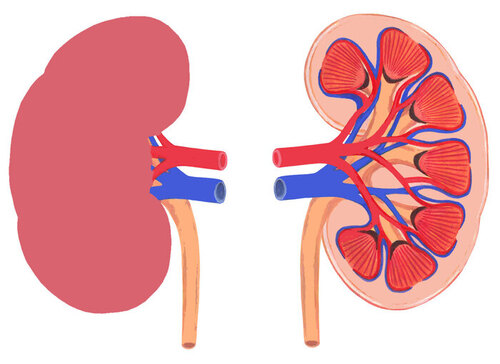
Kidney
In kidney disease, surgical models and metabolic models are used in combination.
- Classic review
- Latest reviews
- Obstructive nephropathy and molecular pathophysiology of renal interstitial fibrosis
Physiological Reviews (2023)
(https://pubmed.ncbi.nlm.nih.gov/37440209/)
- Kidney fibrosis in vitro and in vivo models: path toward physiologically relevant humanized models
Advanced Healthcare Materials (2025)
Title: Exploring the Landscape of AI-Driven Drug Discovery: Promises, Pitfalls, and Future Directions
Abstract
Artificial intelligence (AI) has rapidly emerged as a transformative force in drug discovery, offering unprecedented opportunities to accelerate the identification, design, and development of novel therapeutics. This review explores the multifaceted landscape of AI-driven drug discovery, examining its promises, inherent pitfalls, and charting a course for its future trajectory. We delve into the various AI methodologies, including machine learning, deep learning, and natural language processing, that are being applied across the drug discovery pipeline, from target identification and validation, hit identification, lead optimization, to preclinical and clinical trial design. The review highlights key successes and groundbreaking applications that demonstrate AI's potential to overcome traditional bottlenecks, reduce costs, and improve success rates.
However, the path to AI-driven drug discovery is not without its challenges. We critically assess the pitfalls, including data quality and accessibility issues, the need for robust validation and interpretability of AI models, ethical considerations, regulatory hurdles, and the integration of AI into existing R&D workflows. The "black box" nature of some AI algorithms poses significant challenges for understanding the underlying biological mechanisms and gaining regulatory approval. Furthermore, the rapid evolution of AI techniques necessitates continuous learning and adaptation for researchers and pharmaceutical companies.
Looking ahead, this review outlines future directions for AI in drug discovery. We emphasize the importance of developing explainable AI (XAI) methods to foster trust and transparency. The integration of diverse data sources, including genomics, proteomics, metabolomics, and real-world evidence, will be crucial for building more comprehensive and predictive models. The role of AI in personalized medicine, enabling the tailoring of drug therapies to individual patient profiles, will continue to expand. Moreover, fostering interdisciplinary collaboration between AI experts, biologists, chemists, clinicians, and regulatory bodies is paramount for realizing the full potential of AI in revolutionizing drug discovery and development, ultimately leading to faster access to life-saving treatments for patients.
Keywords: Artificial intelligence, drug discovery, machine learning, deep learning, natural language processing, R&D, therapeutics, personalized medicine, explainable AI, drug development.
In recent years, the introduction of humanized models and 3D culture systems has been advancing.
Diabetic nephropathy - diabetic model
db/db (Lepr−/−)
| Target disease/phenotype |
Type 2 diabetic nephropathy (obesity, hyperglycemia) |
| Major CRO |
|
| Examples of marketed drugs and development candidates |
SGLT2 inhibitors (e.g., dapagliflozin) |
Original paper/Published review
Image Source: Evidence That the Diabetes Gene Encodes the Leptin Receptor: Identification of a Mutation in the Leptin Receptor Gene in db/db Mice
(https://www.cell.com/fulltext/S0092-8674%2800%2981294-5)
NOD mouse
| Target disease/phenotype |
Type 1 diabetes (autoimmune destruction of pancreatic beta cells) |
| Major CRO |
|
| Examples of marketed drugs and development candidates |
- |
Original paper/Published review
OVE26 (T1D)
| Target disease/phenotype |
Type 1 diabetes model (insulin deficiency) |
| Major CRO |
|
| Examples of marketed drugs and development candidates |
- |
Original paper/Published review
Akita (Ins2+/-)
| Target disease/phenotype |
Type 1 Diabetes (Hereditary Insulin Deficiency) |
| Major CRO |
|
| Examples of marketed drugs and development candidates |
- |
Original paper/Published review
eNOS−/−+ db/db
| Target disease/phenotype |
Hypertensive diabetic nephropathy |
| Major CRO |
|
| Examples of marketed drugs and development candidates |
- |
Original paper/Published review
Cystic kidney disease, hereditary, autoimmune kidney disease
Polycystic kidney disease (Pkd1 KO)
| Target disease/phenotype |
Autosomal dominant polycystic kidney disease (ADPKD) |
| Major CRO |
|
| Examples of marketed drugs and development candidates |
Tolvaptan |
Original paper/Published review
Alport syndrome (Col4a3−/−)
| Target disease/phenotype |
Alport syndrome (abnormal glomerular basement membrane) |
| Major CRO |
|
| Examples of marketed drugs and development candidates |
- |
Original paper/Published review
Lupus Nephritis (NZB/NZW F1)
| Target disease/phenotype |
Systemic lupus erythematosus (nephritis) |
| Major CRO |
|
| Examples of marketed drugs and development candidates |
- |
Original paper/Published review
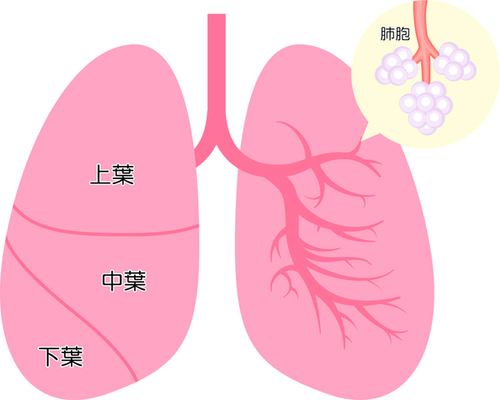
Lung
Asthma/Airway Inflammation
OVA asthma induction model
| Target disease/phenotype |
Allergic asthma (eosinophilic airway inflammation) |
| Major CRO |
|
| Examples of marketed drugs and development candidates |
Dupilumab |
Original paper/Published review
HDM asthma model
| Target disease/phenotype |
Allergic airway inflammation |
| Major CRO |
|
| Examples of marketed drugs and development candidates |
- |
Original paper/Published review
Pulmonary fibrosis
IPF is a disease area where the balance between reproducibility and clinical correlation is important.
- Classic review
- Latest reviews
In recent years, there has been growing interest in chronic models and humanized models.
Bleomycin-induced pulmonary fibrosis
| Target disease/phenotype |
Pulmonary fibrosis (interstitial pneumonia) |
| Major CRO |
|
| Examples of marketed drugs and development candidates |
Pirfenidone, nintedanib, nelondomilast |
Original paper/Published review
Image source: The Pathogenesis of Bleomycin-Induced Pulmonary Fibrosis in Mice
(https://pmc.ncbi.nlm.nih.gov/articles/PMC1910906/)
Silicosis
| Target disease/phenotype |
Pulmonary fibrosis (interstitial pneumonia) |
| Major CRO |
|
| Examples of marketed drugs and development candidates |
- |
Original paper/Published review
Image source: Development of experimental silicosis in inbred and outbred mice depends on instillation volume
How to Improve the Quality of Life of Patients with Cancer: A Review of the Literature
Infectious disease
COVID-19 model
| Target disease/phenotype |
SARS-CoV-2 infection (ARDS-like lung injury) |
| Major CRO |
|
| Examples of marketed drugs and development candidates |
- |
Original paper/Published review
Image Source: SARS-CoV-2 infection of human ACE2-transgenic mice causes severe lung inflammation and impaired function
(https://www.nature.com/articles/s41590-020-0778-2)
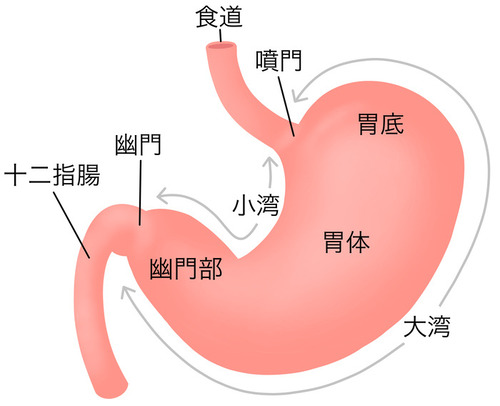
Gastrointestinal tract
Inflammatory Bowel Disease (IBD)
Inflammation models vary greatly depending on the induction method.
- Classic review
- Latest reviews
In recent years, models combining human gut microbiota have also been attracting attention.
DSS colitis
| Target disease/phenotype |
Inflammatory bowel disease (Ulcerative colitis) |
| Major CRO |
|
| Examples of marketed drugs and development candidates |
- |
Original paper/Published review
TNBS colitis
| Target disease/phenotype |
Crohn's disease-like colitis |
| Major CRO |
|
| Examples of marketed drugs and development candidates |
- |
Original paper/Published review
IL-10KO colitis
| Target disease/phenotype |
Spontaneous Colitis (Chronic Inflammation) |
| Major CRO |
|
| Examples of marketed drugs and development candidates |
- |
Original paper/Published review
Stomach and colorectal diseases
Helicobacter pylori infection
| Target disease/phenotype |
Chronic gastritis |
| Major CRO |
|
| Examples of marketed drugs and development candidates |
- |
Original paper/Published review
Image Source: Helicobacter bilis Infection Alters Mucosal Bacteria and Modulates Colitis Development in Defined Microbiota Mice
(https://pmc.ncbi.nlm.nih.gov/articles/PMC5123692/)
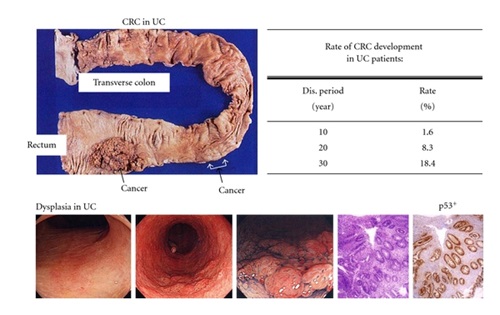
AOM/DSS Colorectal Cancer
| Target disease/phenotype |
Colorectal cancer (inflammation-related cancer) |
| Major CRO |
|
| Examples of marketed drugs and development candidates |
- |
Original paper/Published review
Image Source: Development of an Inflammation-Associated Colorectal Cancer Model and Its Application for Research on Carcinogenesis and Chemoprevention
https://pmc.ncbi.nlm.nih.gov/articles/PMC3299397/
Obesity-type 2 diabetes
In metabolic diseases, it is important to choose between genetic and dietary models.
- Classic review
- Latest reviews
When selecting models, it is important to consider metabolic differences with humans.
ob/ob−/−)
| Target disease/phenotype |
Obesity-type 2 diabetes |
| Major CRO |
|
| Examples of marketed drugs and development candidates |
- |
Original paper/Published review
db/db (Lepr−/−)
| Target disease/phenotype |
Obesity-type 2 diabetes |
| Major CRO |
|
| Examples of marketed drugs and development candidates |
Dapagliflozin |
Original paper/Published review
Diet-induced obesity (DIO)
| Target disease/phenotype |
Obesity and metabolic syndrome |
| Major CRO |
|
| Examples of marketed drugs and development candidates |
Orlistat |
Original paper/Published review
Neonatal STZ model
| Target disease/phenotype |
Type 2 diabetes (beta-cell dysfunction) |
| Major CRO |
|
| Examples of marketed drugs and development candidates |
- |
Original paper/Published review
Type 1 diabetes
NOD mouse
| Target disease/phenotype |
Type 1 diabetes (autoimmune) |
| Major CRO |
|
| Examples of marketed drugs and development candidates |
- |
Original paper/Published review
Immune and hematopoietic system
Humanized mice
| Target disease/phenotype |
In vivo humanized mouse model (T cell response, innate immunity, tumor immunity, immunosuppressive mechanisms) |
| Major CRO |
- |
| Examples of marketed drugs and development candidates | Immune checkpoint inhibitors, CAR T-cell therapy, bispecific antibodies |
Original paper/Published review
- Humanized mice in cancer immunotherapy
- Nature Reviews Cancer
- Humanized mouse models for the study of human immunology and personalized medicine
- Annual Review of Immunology
- Myeloid-enhanced humanized mouse models: advances and challenges
- (Cytokine-Inducing HIS Review)
- Integrating Humanized Mouse Models with Spatial Omics and AI
- (Spatial Omics × AI Integrated Review)
Autoimmune disease
NZB/NZW F1 (SLE)
| Target disease/phenotype |
Systemic lupus erythematosus (lupus nephritis, etc.) |
| Major CRO |
|
| Examples of marketed drugs and development candidates |
- |
Original paper/Published review
MRL/lpr (SLE)
| Target disease/phenotype |
SLE (Lymphadenopathy, Cutaneous Renal Lesions) |
| Major CRO |
|
| Examples of marketed drugs and development candidates |
- |
Original paper/Published review
RA (Rheumatoid Arthritis)
| Target disease/phenotype |
Rheumatoid arthritis model (synovitis, bone destruction) |
| Major CRO |
|
| Examples of marketed drugs and development candidates |
- |
Original paper/Published review
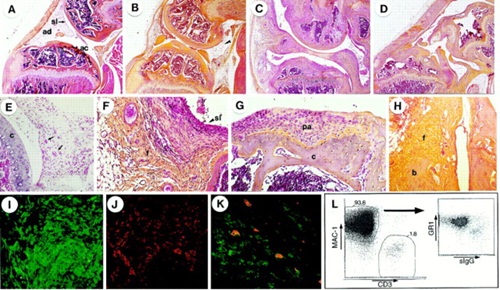
K/BxN CAIA
| Target disease/phenotype |
Autoimmune arthritis (antibody-mediated) |
| Major CRO |
|
| Examples of marketed drugs and development candidates |
- |
Original paper/Published review
Image Source: Organ-Specific Disease Provoked by Systemic Autoimmunity
(https://www.cell.com/cell/fulltext/S0092-8674(00)81989-3?_returnURL=https%3A%2F%2Flinkinghub.elsevier.com%2Fretrieve%2Fpii%2FS0092867400819893%3Fshowall%3Dtrue#FIG2)
Immunodeficiency model
NSG (NOD/SCID/γc)−/−)
| Target disease/phenotype |
Severe Combined Immunodeficiency (T/B/NK cell deficiency) |
| Major CRO |
|
| Examples of marketed drugs and development candidates |
- |
Original paper/Published review
Image source: NOD/SCID/γcnull mouse: an excellent recipient mouse model for engraftment of human cells
(https://www.sciencedirect.com/science/article/pii/S0006497120514729)
SCID (CB-17)
| Target disease/phenotype |
Severe combined immunodeficiency |
| Major CRO |
|
| Examples of marketed drugs and development candidates |
- |
Original paper/Published review
Musculoskeletal system
Muscular dystrophy, myopathy
mdx (DMD)
| Target disease/phenotype |
Duchenne muscular dystrophy |
| Major CRO |
|
| Examples of marketed drugs and development candidates |
- |
Original paper/Published review
Image source: X chromosome-linked muscular dystrophy (mdx) in the mouse.
(https://pmc.ncbi.nlm.nih.gov/articles/PMC344791/)
D2.mdx (Severe DMD)
| Target disease/phenotype |
Severe DMD |
| Major CRO |
|
| Examples of marketed drugs and development candidates |
- |
Original paper/Published review
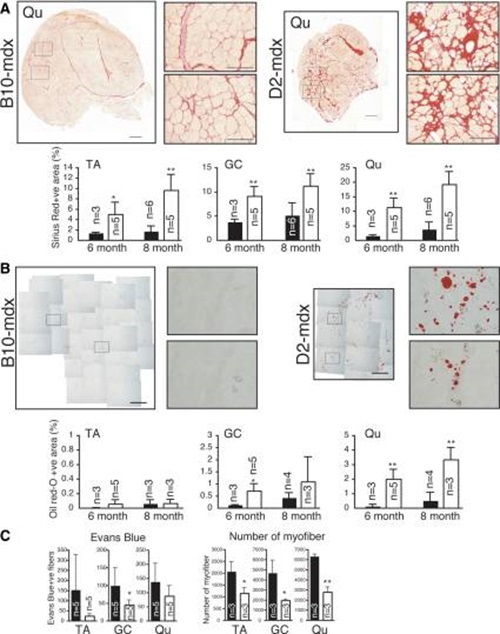
Image source: Genetic background affects properties of satellite cells and mdx phenotypes
(https://pubmed.ncbi.nlm.nih.gov/20304955/)
COL6 deficiency disorder
| Target disease/phenotype |
Congenital muscular dystrophy |
| Major CRO |
|
| Examples of marketed drugs and development candidates |
- |
Original paper/Published review
Bone disease
Osteoporosis (OVX)
| Target disease/phenotype |
Estrogen deficiency osteoporosis |
| Major CRO |
|
| Examples of marketed drugs and development candidates |
- |
Original paper/Published review
Dermatology
Psoriasis/Atopic Dermatitis
Imiquimod model
| Target disease/phenotype |
Psoriasiform dermatitis (erythema, scaling) |
| Major CRO |
|
| Examples of marketed drugs and development candidates |
- |
Original paper/Published review
North Carolina / Nigeria
| Target disease/phenotype |
Atopic dermatitis (pruritic eczema, elevated IgE) |
| Major CRO |
|
| Examples of marketed drugs and development candidates |
- |
Original paper/Published review
Cutaneous fibrosis, contact dermatitis
Bleomycin-induced pulmonary fibrosis
| Target disease/phenotype |
Systemic sclerosis (SSc) |
| Major CRO |
|
| Examples of marketed drugs and development candidates |
- |
Original paper/Published review
Image Source: Animal Model of Sclerotic Skin. I: Local Injections of Bleomycin Induce Sclerotic Skin Mimicking Scleroderma
(https://www.jidonline.org/article/S0022-202X(15)40449-X/pdf)
Contact dermatitis (DNFB)
| Target disease/phenotype |
Contact dermatitis (allergic inflammation) |
| Major CRO |
|
| Examples of marketed drugs and development candidates |
- |
Original paper/Published review
- A hapten-induced model of allergic contact dermatitis characterized by T cell–mediated skin inflammation following sensitization and challenge with DNFB.
Reproductive and Endocrine Systems
Polycystic Ovary Syndrome (PCOS)
DHEA model (PCOS)
| Target disease/phenotype |
Polycystic Ovary Syndrome (PCOS) |
| Major CRO |
|
| Examples of marketed drugs and development candidates |
- |
Original paper/Published review
Letrozole model (PCOS)
| Target disease/phenotype |
PCOS |
| Major CRO |
|
| Examples of marketed drugs and development candidates |
- |
Original paper/Published review
Uterine and gonadal diseases
Endometriosis model
| Target disease/phenotype |
Endometriosis |
| Major CRO |
|
| Examples of marketed drugs and development candidates |
- |
Original paper/Published review
GnRH receptor KO
| Target disease/phenotype |
Hypogonadism (amenorrhea, infertility) |
| Major CRO |
|
| Examples of marketed drugs and development candidates |
- |
Original paper/Published review
Sensory organs, development, and aging
Sensory organ disorders (visual/auditory)
rd1 (Pde6b^rd1)
| Target disease/phenotype |
Retinitis pigmentosa (blindness) |
| Major CRO |
|
| Examples of marketed drugs and development candidates |
- |
Original paper/Published review
Cx26 KO
| Target disease/phenotype |
Hereditary hearing loss |
| Major CRO |
|
| Examples of marketed drugs and development candidates |
- |
Original paper/Published review
Image Source: Targeted Ablation of Connexin26 in the Inner Ear Epithelial Gap Junction Network Causes Hearing Impairment and Cell Death
(https://pmc.ncbi.nlm.nih.gov/articles/PMC4030438/)
Development, aging, and rare diseases
Ames dwarf (Prop1)df/df)
| Target disease/phenotype |
Laron Syndrome Model (GH Deficiency) |
| Major CRO |
|
| Examples of marketed drugs and development candidates |
- |
Original paper/Published review
Zmpste24−/−HGPS
| Target disease/phenotype |
Hutchinson-Gilford syndrome (progeria) |
| Major CRO |
|
| Examples of marketed drugs and development candidates |
- |
Original paper/Published review
Image source: Zmpste24 deficiency in mice causes spontaneous bone fractures, muscle weakness, and a prelamin A processing defect
The patient was a 61-year-old man who had been diagnosed with an obstructing colonic tumor. He underwent a hemicolectomy and then received adjuvant chemotherapy with capecitabine. After 12 cycles of chemotherapy, he experienced recurrent vomiting. Colonoscopy revealed ulceration and stenosis of the sigmoid colon. Biopsy results showed severe submucosal inflammation with eosinophilic infiltration, which was ultimately diagnosed as eosinophilic colitis. The patient responded well to corticosteroid therapy. To our knowledge, this is the first case report of eosinophilic colitis occurring as a complication of capecitabine therapy.
Werner (Wrn−/−)
| Target disease/phenotype |
Werner syndrome (progeria) |
| Major CRO |
|
| Examples of marketed drugs and development candidates |
- |
Original paper/Published review
Image Source: Metabolic and Phenotypic Differences between Mice Producing a Werner Syndrome Helicase Mutant Protein and Wrn Null Mice
(https://pmc.ncbi.nlm.nih.gov/articles/PMC4598085/)
Oncology (Cancer Models)
Tumor models are selected according to the purpose of evaluation.
- Classic review
- Latest reviews
In recent years, the importance of evaluation using PDX and humanized models has been increasing.
PDX model
| Target disease/phenotype |
Human tumor xenograft models (intratumoral heterogeneity, partial preservation of the tumor microenvironment) |
| Major CRO |
- Crown Bioscience
- Charles River Laboratories, Inc.
- Champions Oncology, Inc.
|
| Examples of marketed drugs and development candidates |
Immune checkpoint inhibitors, molecular targeted drugs (various solid tumor areas) |
Original paper/Published review
- Patient-derived tumor xenografts as models for oncology drug development
- Nature Reviews Clinical Oncology
- High-throughput screening using patient-derived tumor xenografts to predict clinical trial drug response
- Nature Medicine
- Recent advances in humanized mouse models for cancer immunotherapy
- (Immunotherapy / Humanized PDX Review)
- Integrating patient-derived models with spatial transcriptomics and AI for precision oncology
- (Spatial Omics × AI Integrated Review)
Digestive cancer, lung cancer
Large intestine: Apc gene deletion
| Target disease/phenotype |
Colorectal tumor (multiple intestinal tumors) |
| Major CRO |
|
| Examples of marketed drugs and development candidates |
- |
Original paper/Published review
Colon: Azoxymethane injection + DSS
| Target disease/phenotype |
Inflammatory bowel disease-associated colorectal cancer |
| Major CRO |
|
| Examples of marketed drugs and development candidates |
- |
Original paper/Published review
Lung: KrasGNDTRANS GENIC INC.
| Target disease/phenotype |
Lung adenocarcinoma |
| Major CRO |
|
| Examples of marketed drugs and development candidates |
- |
Original paper/Published review
Image Source: Analysis of lung tumor initiation and progression using conditional expression of oncogenic K-ras
(https://pmc.ncbi.nlm.nih.gov/articles/PMC312845/)
Liver cancer, skin cancer, others
Liver: Diethylnitrosamine injection
| Target disease/phenotype |
Hepatocellular carcinoma (HCC) |
| Major CRO |
|
| Examples of marketed drugs and development candidates |
- |
Original paper/Published review
Skin: DMBA application + TPA application
| Target disease/phenotype |
Squamous papilloma and Squamous cell carcinoma |
| Major CRO |
- Charles River Laboratories, Inc.
|
| Examples of marketed drugs and development candidates |
- |
Original paper/Published review
Breast: Polyoma Middle T Antigen
| Target disease/phenotype |
Breast cancer (metastasis model) |
| Major CRO |
|
| Examples of marketed drugs and development candidates |
- |
Original paper/Published review
Prostate: SV40 T antigen (prostate specific)
| Target disease/phenotype |
Prostate cancer |
| Major CRO |
|
| Examples of marketed drugs and development candidates |
- |
Original paper/Published review
Image source: Prostate cancer in a transgenic mouse.
(https://pmc.ncbi.nlm.nih.gov/articles/PMC42182/)
Blood: BCR-ABL fusion gene introduction
| Target disease/phenotype |
Chronic myeloid leukemia (CML) |
| Major CRO |
|
| Examples of marketed drugs and development candidates |
Imatinib |
Original paper/Published review
Skin (Melanoma): B16 melanoma cell injection
| Target disease/phenotype |
Melanoma (Allogeneic Transplantation Model) |
| Major CRO |
|
| Examples of marketed drugs and development candidates |
- |
Original paper/Published review

 Japanese