Experimentica Ltd
Experimentica Ltd is a nonclinical contract research organization (CRO) specializing in ophthalmology. The company conducts in-house pharmacology and pharmacokinetic studies and operates under GLP-compliant systems to generate data that meet international regulatory standards.
This page provides an overview of Experimentica Ltd’s nonclinical research capabilities and representative ophthalmic disease models.
Features of Experimentica Ltd’s Contract Services for Non-Clinical Studies
Pharmacokinetic profiling to support optimized dosing strategies
Experimentica Ltd conducts preclinical pharmacokinetic (PK) studies to quantitatively assess the absorption, distribution, metabolism, and excretion of candidate compounds.
Multiple routes of administration—including oral, intravenous, and intraocular—are supported. High-sensitivity analyses are performed on plasma, ocular tissues, and aqueous humor using analytical platforms such as LC–MS/MS to characterize systemic and ocular exposure.
These data are used to inform the design of efficacy and safety studies. All studies are conducted under GLP-compliant conditions, ensuring data quality aligned with international standards.
Quantitative evaluation of efficacy and mechanism of action using ophthalmic disease models
Experimentica Ltd’s pharmacology studies leverage a wide range of ophthalmic disease models, including diabetic retinopathy, glaucoma, and dry eye disease, to evaluate the efficacy and mechanism of action of novel drug candidates.
Both in vivo and in vitro studies are supported, with quantitative endpoints derived from AI-based image analysis and biomarker measurements.
Study design, dosing regimens, and evaluation parameters can be flexibly customized according to research objectives, enabling robust assessment of drug efficacy and mechanistic validation.
Examples of Disease Models Available at Experimentica Ltd
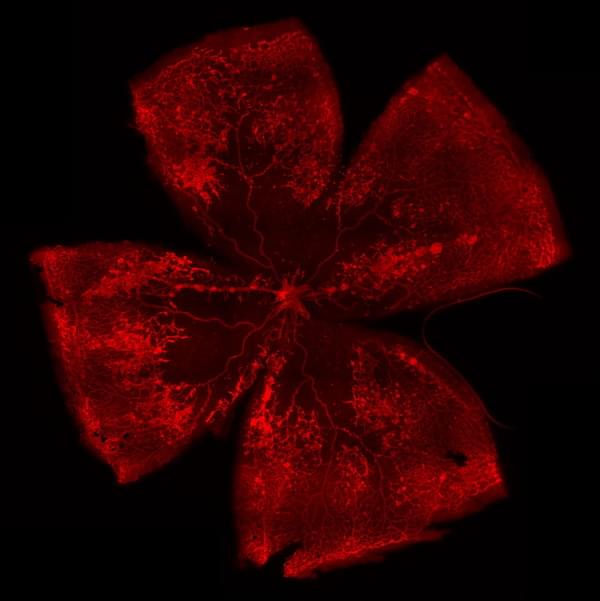
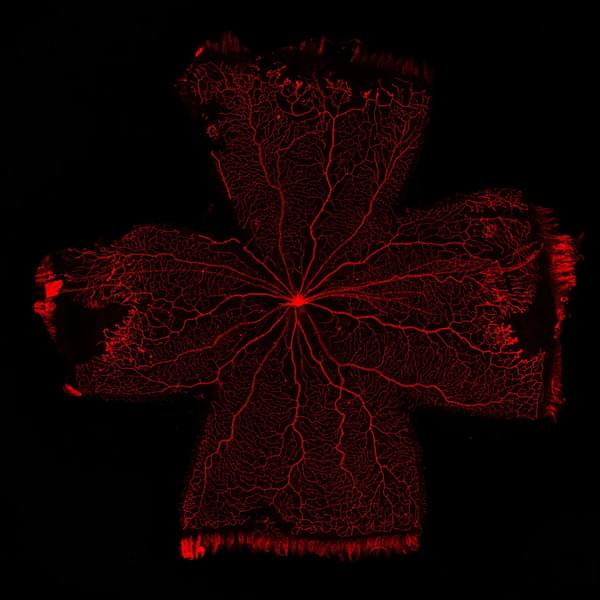
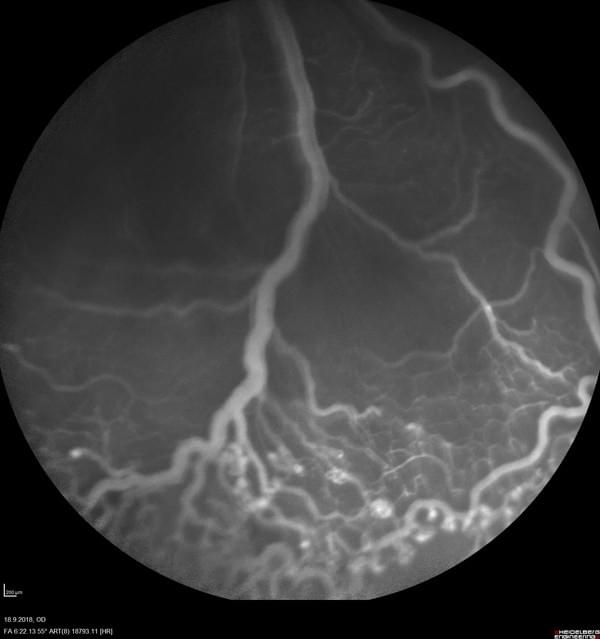
Oxygen-induced retinopathy (OIR) model
This model induces retinal vessel occlusion and reperfusion through controlled oxygen exposure, reproducing pathological neovascularization. It is widely used for evaluating anti-angiogenic agents such as anti-VEGF therapies.
Retinal vascular architecture can be quantitatively assessed using image-based analysis.
Dry stress and scopolamine-induced dry eye model
By combining scopolamine administration with a low-humidity environment, this model induces reduced tear secretion and corneal epithelial damage.
Therapeutic effects of moisturizing and anti-inflammatory agents can be evaluated using endpoints such as tear volume and corneal damage scores.
Microbead-induced ocular hypertension model
In this glaucoma model, microbeads are injected into the anterior chamber to inhibit aqueous humor outflow and elevate intraocular pressure.
Changes in retinal nerve fiber layer thickness and retinal ganglion cell loss are quantitatively assessed, supporting evaluation of IOP-lowering and neuroprotective therapies.
Experimentica Ltd Non-Clinical Case Study
A preclinical study was conducted to evaluate the efficacy of the anti-VEGF agent aflibercept using an oxygen-induced retinopathy (OIR) model.
By alternately exposing animals to hyperoxic and normoxic conditions, the model successfully reproduced pathological neovascularization driven by vascular occlusion and subsequent reperfusion.
In the treatment group, a marked reduction in neovascular area was observed, along with normalization of vascular architecture.
These results were presented at EVER 2018, demonstrating that the company’s image analysis capabilities and quantitative vascular assessment methods are valuable for supporting the development of anti-angiogenic therapies.
Reference: Experimentica Ltd's official website (https://experimentica.com/solutions/oxygen-induced-retinopathy/)
Reference: Experimentica Ltd's official website (https://experimentica.com/solutions/oxygen-induced-retinopathy/)
Reference: Experimentica Ltd's official website (https://experimentica.com/solutions/oxygen-induced-retinopathy/)
Experimentica Ltd Company Information
| Address |
Microkatu 1, P.O. Box 1199, 70211 Kuopio, Finland |
| Tel |
+1 844 393 4393 |
| Website |
https://experimentica.com/ |

 Japanese