Absorption Systems
In addition to in-house testing, Absorption Systems coordinates outsourced toxicology and pharmacokinetic studies and other tests to optimal facilities by leveraging a global network of CROs (Contract Research Organizations). Here, we introduce Absorption Systems' features and disease models.
Features of Absorption Systems' Non-clinical Testing Contract Services
Access to a wide range of non-clinical studies and a flexible CRO network
By leveraging a network of numerous partner CROs, we offer access to a wide range of non-clinical studies, including toxicology, DMPK/ADME, safety pharmacology, disease models, and even the biodefense sector. Because our services are not limited to specific areas, we can provide consistent support from early drug discovery through late-stage development.Rapidly secure optimal testing resources according to the client's research content and development phase.The ability to do so is a major strength.
CRO Selection and Approval Application Support in Compliance with Regulatory Standards
Depending on the client's testing objectives and target market,Accurately match CROs with facilities and systems that comply with the standards of various regulatory authorities such as OECD GLP, FDA, and EMA.They also support the creation of regulatory dossiers, including IND applications, and propose study designs that meet requirements. They can build a consistent non-clinical strategy with the approval process in mind.
Selection of optimal facilities and cost optimization from a neutral standpoint
One of the features of Absorption Systems isFacility selection from a neutral position, independent of specific CROsThis allows us to select the most suitable CRO globally for each project, optimizing the balance between quality, cost, and schedule. It also enables us to reduce unnecessary costs while diversifying risks, thereby increasing the probability of project success. We achieve efficient and strategic non-clinical development.
Introduction to the Contract Companies Handled by Absorption Systems
Absorption Systems leverages a global network, not limited to specific CROs, to select the most suitable contract research organization for each project.
As an example, I can introduce a contract company like the following.
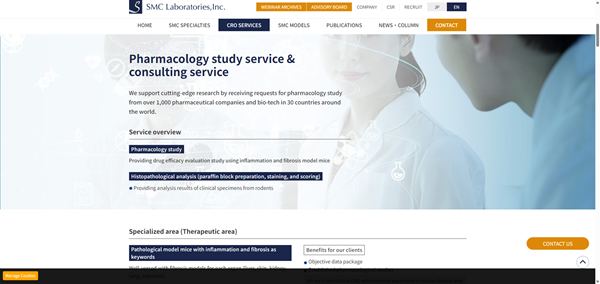
- Partnered Contract Research Organizations (Major/Comprehensive CROs): Charles River Laboratories, Battelle, Altasciences, etc.
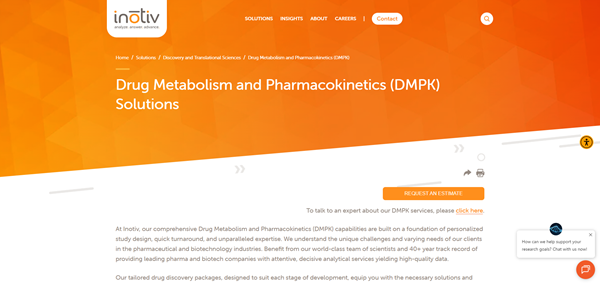
- Partnered Contract Research Organizations (Specialized CROs): Biocytogen, Alliance Pharma, Absorption Systems, etc.
An example of a disease model held by Absorption Systems
Humanized Mouse Models
Absorption Systems collaborates with specialized CROs such as Biocytogen to provide access to humanized mouse models that replicate the human immune system. These models are useful for evaluating immune responses and the efficacy and safety of antibody drugs.
Tumor and Cancer Models
We can provide a variety of cancer models suitable for tumor development, progression, and efficacy evaluation. By utilizing transplantable and genetically modified models, we can accurately assess the effects of anti-cancer drugs and immunotherapies.
Non-clinical case studies of Absorption Systems
Can solve the challenges of a shortage of specialized resources and complex regulatory compliance.
There were no specific written examples of non-clinical studies.Solving the challenges of "lack of specialized resources" and "complex regulatory compliance" faced by pharmaceutical and biotechnology companies in non-clinical developmentWe will engage in strategic study design for New Drug Application (IND) filings, select optimal partners from a global pool of CROs (Contract Research Organizations), and delegate the overall monitoring of studies. We provide extensive expertise in toxicology, pharmacokinetics, and safety pharmacology to enhance the reliability of study data and ensure compliance with regulatory requirements. We offer comprehensive support to minimize the risks of development delays and technical issues, efficiently advancing projects within limited budgets and timeframes.
Absorption Systems company information
| Address |
436 Creamery Way, Suite 600, Exton, Pennsylvania 19341, USA |
| Tel |
+1-610-280-2000 |
| Website |
https://abogenbio.com/ |

 Japanese