Smithers describes itself as "a multinational provider of testing, consulting, information, and compliance services"[S1] and traces its founding to a three-bay garage in Akron, Ohio in 1925.[S2] For drug developers the important point is what it does today. In May 2019 it divested its in vivo toxicology business in Gaithersburg, Maryland, which covered "general toxicology, vaccine safety and developmental and reproductive toxicology (DART)," to Bioanalytical Systems, Inc.[S3] That sale explicitly excluded the large molecule bioanalytical business, which continues.[S3] No current in vivo service line or animal facility statement was found on the pages reviewed; that is an absence in those pages, not a finding that Smithers does not conduct such work. The reviewed pages describe bioanalytical and analytical testing.
Services relevant to US drug developers
Large-molecule bioanalysis and immunogenicity
The pharmaceutical business is built on large-molecule bioanalysis. The company states that "our expert scientists perform large molecule bioanalysis, assay development, validation, and sample analysis at our GLP- and GCP-compliant laboratories,"[S4] covering pharmacokinetic and toxicokinetic bioanalysis, anti-drug antibody testing, neutralizing antibody assays, fit-for-purpose biomarker assays, immunogenicity risk assessment, and qPCR and ddPCR transcriptional biomarker work.[S4][S5] Platforms named for ligand binding assays are "ELISA (single analyte), Meso Scale Discovery (single and multiplex), GyroLab (sample size), Quanterix (ultra sensitive)."[S6] Biomarker platforms additionally include Singulex ERENNA and Alpha-LISA, covering oncology, neurology, autoimmune and metabolic markers as well as cytokines and interferons.[S7] Cell-based assays are used within immunogenicity work for "functional assessments for neutralization and potency."[S5]
Extractables and leachables, environmental risk assessment, and device testing
Outside bioanalysis the company offers extractables and leachables chemistry for packaging, single-use technologies and combination products, stating that its experts deliver these assessments "in our FDA registered laboratories."[S4] It also provides environmental risk assessment consulting, noting that "the EMA requires that an Environmental Risk Assessment (ERA) accompany every Marketing Authorization Application (MAA) for a new pharmaceutical,"[S4] covering aquatic and terrestrial ecotoxicology, environmental fate and residues. Its medical device division tests devices, drug delivery devices and healthcare packaging at GMP facilities, with a European laboratory in Frankfurt described as providing "expert testing for medical device and pharmaceutical manufacturers across Europe and the rest of the world."[S12]
Quality and compliance (as stated by the company)
GLP, GCLP, and CLIA. The company states that it "operates GLP-compliant, CLIA-certified laboratories in Gaithersburg, Maryland and Ewing, New Jersey"[S5] and offers "support for GCLP and CLIA-regulated studies in human matrices."[S5] CLIA certification of the New Jersey laboratory was announced in July 2020 as "a certification of compliance from the Clinical Laboratory Improvement Amendments (CLIA) program regulated by the Centers for Medicare and Medicaid Services (CMS)."[S9] The company's website does not name a specific GLP regulation (FDA 21 CFR Part 58, EPA 40 CFR Part 160/792, or OECD GLP) for its facilities.[S5] GLP compliance is determined study by study under the applicable regulation, so sponsors should confirm in the protocol which regulation their study will follow and that the final report will carry the study director's compliance statement and the quality assurance unit's statement.[R2] Note also that the accreditations page labels the pharmaceutical division "GCP-Compliant"[S8] while the service page uses GCLP;[S5] the two terms are not identical and both appear on current company pages. Regulation names are given only for the separate environmental risk sciences sites: OECD GLP at Harrogate in the United Kingdom and GLP under US EPA and US FDA at Wareham, Massachusetts.[S8]
No AAALAC, USDA, OLAW, IACUC or 3Rs statement was found on the pages reviewed; that is an absence in those pages, not a finding about the status of the company. No AAALAC accreditation, USDA registration, OLAW Animal Welfare Assurance, IACUC or 3Rs statement was found on the roughly twenty pages reviewed, including every pharmaceutical and bioanalytical page. The bioanalytical pages do refer to mouse and cynomolgus monkey serum and to human cerebrospinal fluid, synovial fluid and vitreous humor, but these are sample matrices submitted for analysis, not animals housed or dosed by the company.[S7]
3637 Ridgewood Road, Fairlawn, Ohio 44333, United States. Press releases describe the company as headquartered in Akron, Ohio, an adjacent city[S1][S3]
Described on the site as independent; no stock ticker, exchange listing or named parent was found[S3]
Employees and revenue
Not published
Global footprint
24 facilities across North America, Europe and Asia[S10]
US pharmaceutical laboratories
Gaithersburg, Maryland and Ewing, New Jersey, both described by Smithers as GLP-compliant and CLIA-certified, without the applicable GLP regulation being identified[S5]
Pharmaceutical service scope
Large molecule bioanalysis, immunogenicity, biomarkers, molecular biology; extractables and leachables; environmental risk assessment; medical device and packaging testing[S4]
In vivo animal work
None described on the current site. The Gaithersburg in vivo toxicology unit was divested to Bioanalytical Systems, Inc. in May 2019, excluding the bioanalytical business[S3]
Quality statements
US pharmaceutical laboratories that Smithers describes as GLP-compliant and CLIA-certified; GCLP support for human matrix studies; the accreditations page labels the division GCP-Compliant[S5][S8]
Other accreditations
ISO 17025 for materials science and medical device sites; GMP FDA facility registrations for Akron, OH and Shawbury, UK[S8]
Other restructuring
Avian testing discontinued and the Snow Camp, North Carolina facility decommissioned in July 2022[S11]
3 Recommended Contract Research Organizations for Non-Clinical Studies
— by Target goal and Expertise
In drug discovery, the quality and efficiency of non-clinical studies have a direct impact on clinical success rates, development costs, and overall length of time required in R&D.
In recent years, there has been more demand for clinically relevant data, globally accepted reliability, and accurate early-stage screening.
Thus, it is more important than ever to select the right CRO (Contract Research Organization) for strategic approach.
In this article, we highlight three CROs with proven technical capabilities, expertise, and long standing track records. These are our TOP 3 choices based on their capabilities and the specific target goals of the researchers for their non-clinical studies.
Pharmacology (Efficacy) Studies Replicate unknown pathological models and Discovery to clinically oriented drug evaluation
SMC Laboratories, Inc.
Reference: SMC Laboratories, Inc. official website (https://www.smccro-lab.com/jp/)
SMC Laboratories, Inc. has established a disease models using patented mouse technologies.
The company has established proprietary pathological models—particularly in liver disease and fibrosis—and continues to expand their approach across a wide range of models in cancer, inflammation, and metabolic diseases.
From exploratory research to clinically oriented efficacy evaluation, SMC offers customized study designs, dosing strategies, and evaluation analysis tailored to each project.
Their collaborative approach allows researchers to discuss and refine study plans together with SMC’s expert scientists.
With flexible small-scale study options and strong technical support, SMC Laboratories, Inc. is an ideal partner for start-ups, biotech ventures, and academic institutions alike.
Safety Studies Comprehensive Safety Evaluation for FIH Applications
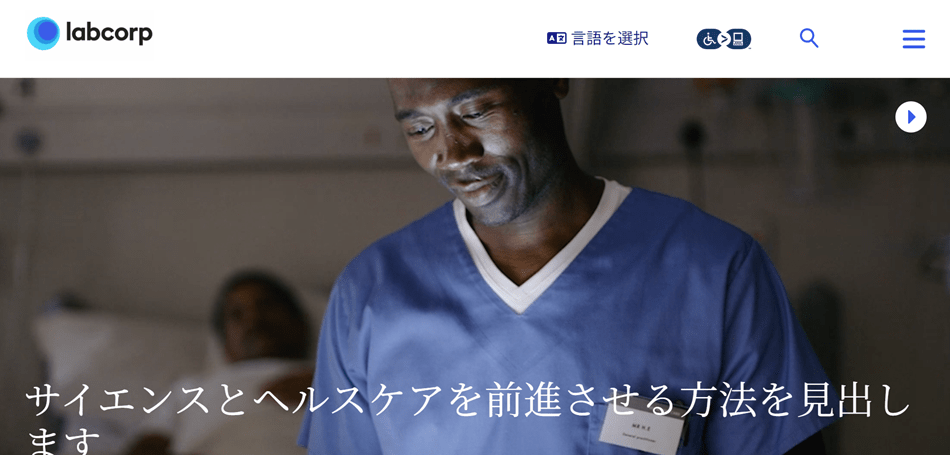
Labcorp Holdings Inc. (Labcorp Drug Development)
Reference: Labcorp Holdings Inc. official website (https://jp.labcorp.com/)
Labcorp Holdings Inc. provides a fully integrated GLP testing system aligned with international regulatory standards, including FDA, EMA, and PMDA requirements.
All studies are conducted under ICH-compliant quality assurance, making it ready for data submission.
The company has extensive expertise in long-term toxicity studies such as Segment I–III reproductive and carcinogenicity studies, as well as 2-year chronic toxicity assessments.
Labcorp Holdings Inc.’s comprehensive approach enables sponsors to efficiently outsource the entire preclinical package from toxicology, toxicokinetic (TK), and safety pharmacology study design to execution. This accelerates a path to First-in-Human (FIH) trials.
For most of the global drug developers, this all-in-one service structure minimizes cost, risk, and expedite the time before advancing to clinical phase.
Pharmacokinetic (PK/PD) Studies High-Precision Bioanalysis for Clinically Predictive PK/PD Evaluation
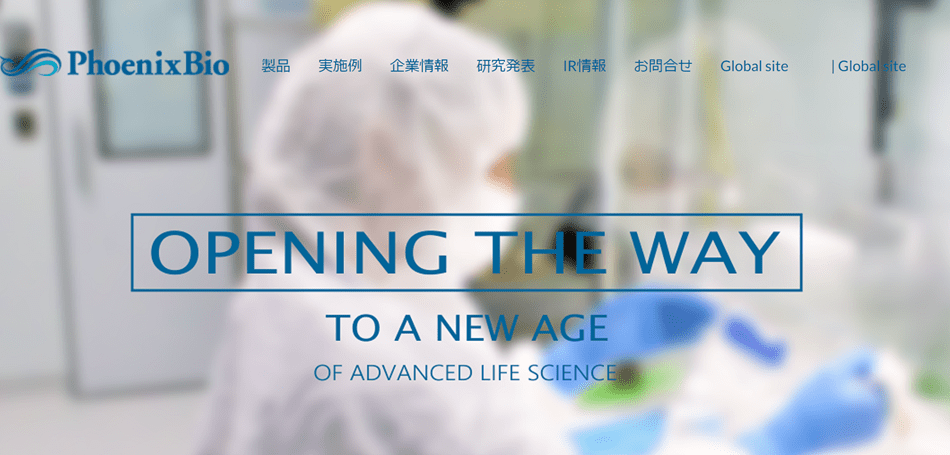
PhoenixBio Co., Ltd.
Source: PhoenixBio Co., Ltd. Official Website (https://phoenixbio.co.jp/)
PhoenixBio Co., Ltd. offers pharmacokinetic and hepatic metabolism studies using their proprietary PXB-mouse®, a humanized-liver chimeric mouse model. This platform enables the acquisition of data with high clinical correlation in ADME, drug–to–drug interaction studies, bridging the gap between preclinical and clinical stages.
With advanced LC-MS/MS-based bioanalysis, PhoenixBio Co., Ltd. provides a seamless workflow from plasma concentration measurement and metabolite identification to quantitative validation.
The company offers an integrated evaluation analysis covering pharmacokinetics, hepatotoxicity, and safety with flexibility to accommodate complex modalities such as oligonucleotide and middle-molecule therapeutics.
For compounds where hepatic metabolism is a development bottleneck—or where quantitative, reproducible exposure data are critical—PhoenixBio Co., Ltd. delivers unmatched analytical precision and consistency.

 Japanese